Every gasoline and diesel delivery operator knows idle days. Construction slows. A marina empties after the weekend. A fleet account skips a window. Trucks that ran hard last week sit. Drivers see fewer hours, even as insurance, financing, and overhead stay on the books.
That slack used to be accepted as the cost of a fuel delivery business.
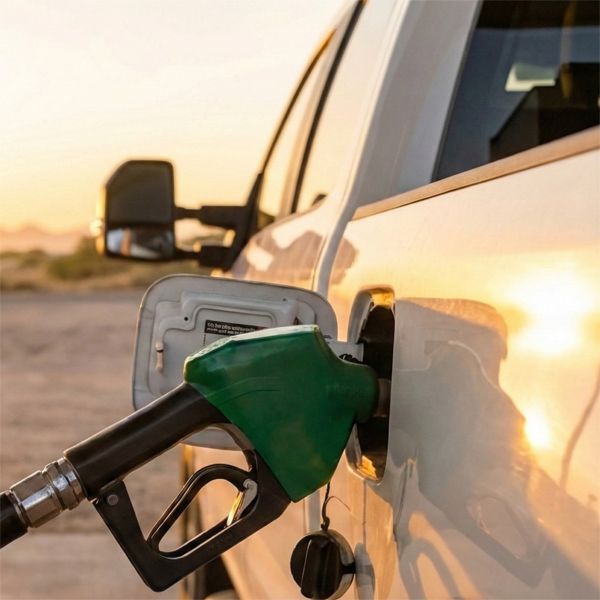
On-demand, on-site gasoline and diesel delivery is how operators fill those gaps. Fleets, marinas, construction sites, municipalities, and convenience-minded retail customers order fuel to the vehicle or the yard instead of sending drivers to a pump. The work peaks when other routes go quiet, and it uses the same trucks and the same safety discipline the company already has.
The question is no longer whether a fuel company can deliver gasoline and diesel on demand. It is how to take those orders in the company’s own brand, with a driver app and a dispatch board that match how customers already order everything else.
On-Demand Fuel: From an Extra to an Expectation
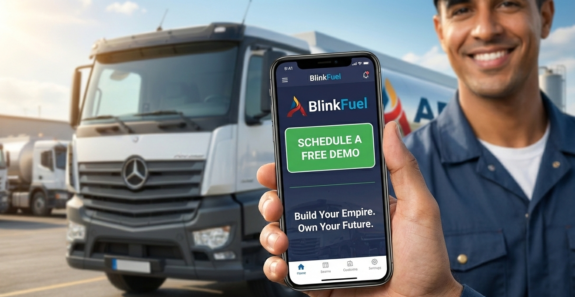
The model is straightforward. Customers order gasoline or diesel through a branded mobile app or web portal, pick a location and a window, and a licensed fuel truck completes the delivery. Commercial accounts often convert to recurring, scheduled fills. The operator keeps the customer, the data, and the margin.
What changed is customer behavior, not the fuel. Fleet operators want less downtime. Marinas want fuel at the slip. Job sites want diesel on the ground without a driver leaving for a station. More than nine in ten vehicles on U.S. roads still run on gasoline or diesel. Diesel remains the fuel for trucking, construction, agriculture, backup generation, and marine use.
Operational Fit
A fuel company already handles hazardous materials, DOT and state rules, routing, dispatch, and customer windows. Adding on-demand gasoline and diesel delivery is an extension of that work. It needs the right tank configuration and permits for the fuels you actually sell — gasoline, diesel, and DEF — not a new identity as a propane dealer.
Idle trucks and trained drivers are the constraint on slow days. A branded ordering app turns those hours into completed gasoline and diesel stops without handing the customer list to a franchise or a national network.
The Hidden Constraint: Legacy Dispatch
Hesitation is usually technological. Back-office systems built for planned, recurring loads do not support customer-initiated ordering, live tracking, or payments in the operator’s own app. Operators then assume they must build software from scratch or join a franchise that already has it.
That assumption is outdated. Blink Fuel is white-label on-demand fuel delivery software for gasoline and diesel. The whole product includes the customer ordering app, the driver app, dispatch, and a custom website in the operator’s name. Tank Spotter is the field-worker side of that same house. It is not a propane product page.
Two Paths Forward
One path is a franchise: branding and technology combined in exchange for upfront fees and ongoing royalties, with limits on pricing, territory, and who owns the customer. The other path is a software platform the operator runs under its own brand.
Blink Fuel is that second path. It supplies branded customer apps, driver apps, dispatch, routing, payments, and reporting without taking the brand, the customers, or a share of delivery revenue. List pricing lives on the public catalog, not in this article.
Why Timing Matters
On-demand gasoline and diesel delivery is still local. Customers pick a provider on reliability and trust, not a national consumer brand. Regional fuel companies can take that work in their own name if the app and the site match how those customers order.
Delivery is no longer a premium extra. Fleets want fewer detours. Marinas want safer refueling. Municipalities want a digital record of the drop. Meeting that expectation takes software built for real-time gasoline and diesel delivery.
Turning Slack Into Completed Stops
For a fuel operator, on-demand gasoline and diesel delivery is not a pivot. The trucks, drivers, and safety culture already exist. What changes is the interface: customers order in a branded app, drivers close the stop on the phone, and dispatch sees the board.
Blink Fuel lets a gasoline or diesel company launch that loop under its own brand, keep the customer list, and put idle hours to work — without a franchise and without pretending the product is propane.